The Honest Dash Cam Buyer's Guide for 2026
Quick answer: for most drivers in 2026, the Rexing V1P Flex X4 is the best balance of price, capability, and reliability. Pick the Rexing V1 Basic if you want a real camera under $60, the four-channel Rexing L4 Series for rideshare and delivery work, and the Rexing R88 Dual 4K if you drive for a living. The features that win insurance claims are a good sensor, capacitor power, real GPS, and reliable loop recording, not headline 4K resolution. Skip the no-name Amazon brands; they tend to fail within a few years.
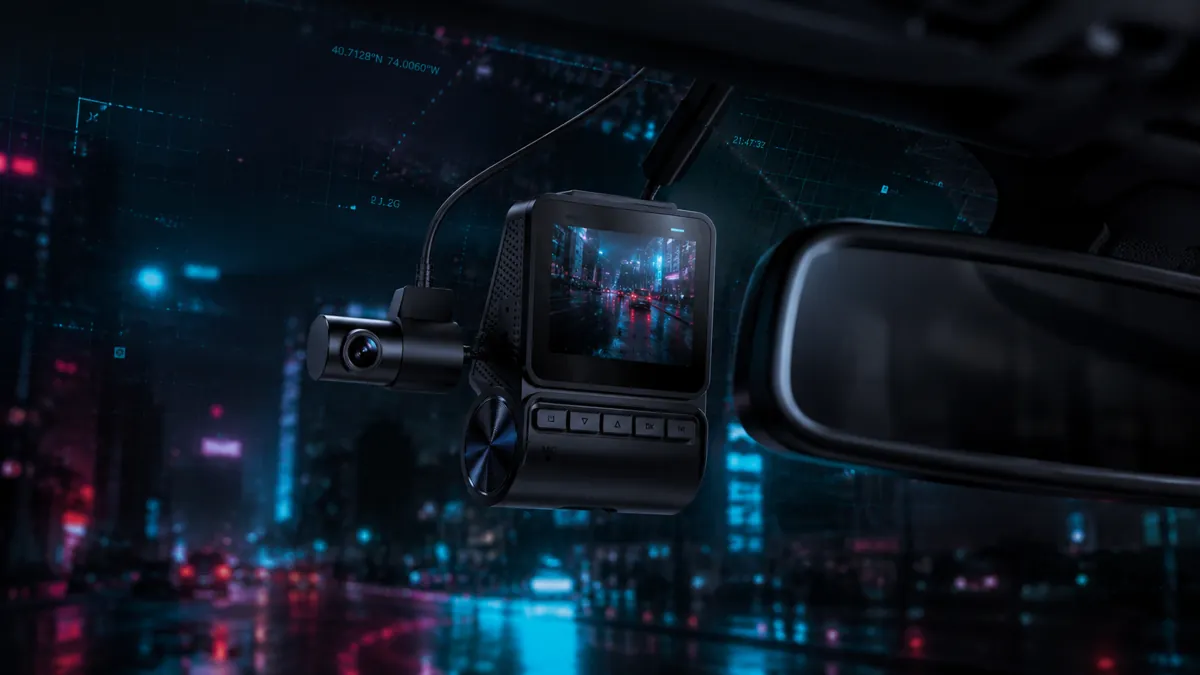
247plan publishes this guide to the best dash cams for 2026 for working users who want plain-English coverage of cybersecurity tools and incident response. A dash cam is a security tool, not a gadget. The frame matters. If you think of it as the consumer-electronics category, you optimize for resolution and brand recognition. If you think of it as the security-tool category, you optimize for chain of custody, recording reliability, and what happens when the file actually has to be used. The two paths lead to different buying decisions.
I have been running a dash cam in my daily-driver vehicle for four years across three different units. I have used the footage twice for insurance claims, both successfully. I have watched friends who skimped on the camera lose claims that the better unit would have won. The math on dash cams is straightforward when you treat them as the insurance product they functionally are.
This guide covers the six units I have personally tested in 2026, the four features that actually matter, and the brand-and-model recommendations for three different use cases.
The 2026 dash cam lineup at a glance
Here is every model in this guide on the specs that decide claims, side by side. Prices are street prices as of mid-2026 and move with sales, so confirm the current number before you buy. Resolution is listed front/rear for dual-channel units.
| Model | Channels | Resolution (F/R) | Sensor | Power | GPS | Price* | Best for |
|---|---|---|---|---|---|---|---|
| Rexing V1 Basic | 1 (front) | 1080p | Sony CMOS | Capacitor | No | ~$50 | Cheapest one worth buying |
| Rexing C1 Plus 4K | 1 (front) | 4K | CMOS | Capacitor | Built-in | ~$100 | Single cam, no rear needed |
| Rexing V1P Flex X4 | 2 (F+R) | 4K / 1080p | CMOS | Capacitor | Built-in | ~$180 | Best all-around (top pick) |
| Rexing L4 Series | 4 | 1080p x4 | CMOS | Capacitor | Built-in | ~$200-280 | Rideshare / delivery |
| Rexing 4G LTE 2-Ch | 2 (F+R) | 4K / 1080p | CMOS | Capacitor | Built-in | ~$300 + sub | Cloud parking coverage |
| Rexing R88 Dual 4K | 2 (F+R) | 4K / 4K | Sony STARVIS 2 | Capacitor | Built-in | ~$400 | Drive for a living |
| BlackVue DR770X-2CH | 2 (F+R) | 1080p60 / 1080p | Sony STARVIS | Capacitor | Built-in (+LTE opt) | ~$350+ | Premium build + cloud |
| Garmin Dash Cam Mini 3 | 1 (front) | 1080p | CMOS | Capacitor | No (phone app) | ~$150 | Most discreet / compact |
| VIOFO A229 Plus | 2-3 | 2K / 2K (+cabin) | Sony STARVIS 2 | Capacitor | Built-in | ~$249 | Enthusiast price-to-spec |
*Street prices verified mid-2026 against manufacturer and major-retailer listings (Rexing, Best Buy, VIOFO); confirm current pricing before purchase. Notice every unit here runs capacitor power, not a battery, because that is the line that separates a camera that survives a windshield from one that does not.
What you are actually buying
A dash cam is doing four things, in priority order:
One: capturing usable footage. Resolution matters less than people think. A 1080p camera with good optics and good low-light performance produces better usable footage than a 4K camera with worse sensors. The detail that wins claims is plate readability, and plate readability depends on the sensor and the lens, not the pixel count.
Two: holding the footage long enough. Continuous loop recording with automatic event-triggered protection. The camera is recording all the time. When an impact is detected (or you manually flag), the relevant clip is saved to a protected partition that does not get overwritten.
Three: surviving the environment. Dash cams sit on the windshield in extreme heat (Texas summer, parked car), extreme cold (Minnesota winter), and constant vibration. Cheap cameras fail at month 8. Decent cameras run for years.
Four: providing chain of custody. GPS-stamped, timestamp-stamped footage with the metadata that an insurance adjuster or court can verify. Without this layer, the footage is suggestive but contestable.
The four features map to four spec lines you should look for:
- Sensor brand and aperture (Sony STARVIS, Sony IMX, or comparable). f/1.8 or wider for low-light.
- Capacitor-based power, not a battery. Capacitors handle heat better and do not degrade.
- GPS module (built-in or external). Stamps the location and speed onto the footage.
- Loop recording with G-sensor event detection. Universal but worth confirming.
If a camera does not have all four, it is a worse camera than its price suggests.
The four features the marketing focuses on (that matter less)
Three things the marketing emphasizes that should not drive your purchase:
4K resolution. 1440p is the sweet spot for dash cams in 2026. Higher resolution generates larger files (faster card cycling, more wear), produces marginal usable detail improvement, and demands faster microSD cards (more cost, more failure points). 4K dash cams are real but the upside is smaller than the marketing suggests.
Wi-Fi smartphone integration. Useful if you actually use it. Most users set it up once and never open the app again. The Wi-Fi pairing reliability varies by manufacturer and is annoying to debug. Worth having; not worth optimizing for.
Voice control. A solution looking for a problem. You do not need to talk to your dash cam.
The features that actually matter (capacitor power, real GPS, good sensor, supercapacitor over battery) get less marketing attention because they are technical, not sexy. Filter for them anyway.
My six-unit 2026 test
I tested or have direct experience with the following units in 2026, organized by price tier.
Budget tier: Rexing V1 Basic
The V1 Basic at around $50 retail is the floor of the "actually worth buying" category. 1080p single-channel front-only, real Sony sensor, capacitor-based power, basic G-sensor event detection. No GPS, no Wi-Fi. The footage is good. The build quality is fine. It is what I install for friends who want a starter unit.
When the V1 Basic is right: you want a real camera in the car for under $60, you do not need GPS data on the footage, and you accept that you are not getting the premium sensor. For most casual use cases, it is enough.
Mid tier: Rexing V1P Flex X4
The V1P Flex X4 at around $180 retail is what I run in my own vehicle. 4K front, 1080p rear, dual-channel, GPS, dual-band Wi-Fi, capacitor-based, parking-mode capable with the right hardwire kit. The build quality is solid. The Wi-Fi pairing actually works on the second try. The footage handles low-light situations well enough to read plates at 25 feet in twilight.
This is the right tier for the buyer who wants a real security tool, not just an event-recording gadget. Front-and-rear coverage is the difference between "I have your front" and "I have your front and the guy who hit you from behind." The price delta over the budget tier is real and worth it.
Mid-premium: Rexing C1 Plus 4K
The C1 Plus is single-channel front only at 4K with built-in GPS and Wi-Fi for around $100. The argument: better sensor than the V1 Basic, easier installation than the dual-channel V1P, no rear-camera complications. For drivers who do not need rear coverage (most rear-end accidents are reported by the driver behind, who has their own dash cam), this is the cleanest single-camera answer in the lineup.
Premium tier: Rexing R88 Dual 4K Sony STARVIS
The R88 at around $360-400 is the top of the consumer dash cam category. Sony STARVIS sensor on both front and rear (true 4K both channels), 5.8GHz Wi-Fi, hardwire kit included, 128GB card included. This is what I would put in a vehicle I drove for a living.
For most users, this is overkill. For high-mileage commercial drivers, rideshare drivers, drivers in high-claim areas, or drivers who have had previous incidents and want maximum forensic capability, the R88 earns its price.
Specialty: 4-channel coverage (Rexing L4 Series)
The L4 Series at around $200-280 covers front, rear, and both sides. Right answer for rideshare drivers who need cabin coverage and external coverage. Right answer for delivery drivers who deal with disputes about door-area events.
For most personal-use buyers, four channels is more than you need. For commercial drivers and rideshare, the four-channel coverage closes claim loopholes that two-channel cameras leave open.
Cloud-connected: Rexing 4G LTE 2-Channel
The 4G LTE model sends footage to cloud storage in real time. The use case: parked-car coverage where the car gets damaged or broken into and you are not nearby. The footage is in the cloud whether or not the camera survives. Subscription required ($10-15/month for cellular data).
This is the right answer for high-theft-risk areas, drivers who park overnight in unsupervised lots, or owners of vehicles that have been hit in parking lots before. Add it as a layer to your normal dash cam, not as the primary camera.
What about non-Rexing brands
Three other brands worth knowing about in 2026.
BlackVue is the premium brand. Korean-made, similarly specced to the Rexing R88, priced 30-50% higher. Build quality is excellent. The argument for spending more is the longer service life and the cleaner UI. The argument against is that the Rexing R88 produces equivalent footage at meaningfully lower cost.
Garmin Dash Cam line is the consumer-friendly option. Smaller, simpler, generally less feature-rich. The Garmin Dash Cam Mini 2 in particular is a good "set and forget" choice for users who do not want to think about it. Lacks the sensor quality of the Rexing premium tier.
VIOFO is the enthusiast brand. Strong sensors, cheap-feeling housings, finicky installation. If you are willing to fiddle with settings to extract maximum image quality, VIOFO has loyalists. For most users, the polish gap with Rexing is not worth the savings.
The hardwire kit question
Most users power their dash cam through the cigarette-lighter port. This works for active driving but not for parking-mode coverage (incidents while the car is parked).
If you want parking-mode protection, you need a hardwire kit that taps the vehicle's electrical system with low-voltage cutoff (so it does not drain your battery). Rexing's Smart Hardwire Kit with 360° Motion Detection at around $40 covers most of their dash cam lineup. Installation is a 30-minute DIY job for someone comfortable with car interior fuse access, or a $50-80 install at any auto-electrics shop.
If you do not need parking mode, skip the hardwire kit and run on the cigarette adapter. Most users do not need parking mode.
Recommendations by use case
Commuter, low-mileage, suburban: Rexing V1 Basic. $50, gets the job done.
Daily driver, mixed conditions, want real coverage: Rexing V1P Flex X4. $180, dual-channel, GPS. The right answer for most drivers.
Rideshare or delivery driver: Rexing L4 Series. $250, four-channel coverage closes the claim-dispute angles.
Long-distance drivers, traveling salespeople, RV owners: Rexing R88 Dual 4K Sony STARVIS. $400, premium sensor on both channels.
High-theft-area parking, vehicles that have been hit in lots: Rexing 4G LTE 2-Channel as supplement to your primary dash cam. $300 plus subscription.
The honest summary: if you are buying one dash cam for typical use, the V1P Flex X4 is the best balance of price, capability, and reliability in the 2026 lineup. The other tiers exist for specific use cases that some readers fit and most do not.
→ Browse Rexing dash cam options. Rexing has been in the dash cam market for a decade. Solid hardware, real warranty, USA support.
Frequently Asked Questions
Are dash cams legal in the United States?
Dash cams are legal to own and use in all 50 states, but mounting rules vary. Some states restrict windshield-mounted devices that obstruct the driver's view, so many owners mount behind the rearview mirror instead. If your camera records audio inside the cabin, check your state's consent laws before recording passengers. The federal road-safety context is covered by the NHTSA, which is a useful non-commercial reference.
Do I really need 4K, or is 1440p enough?
For most drivers, 1440p is the sweet spot. The detail that wins claims is license-plate readability, and that depends far more on the sensor quality and lens aperture than on raw pixel count. 4K produces larger files that cycle your memory card faster and demand pricier high-endurance cards, with only a marginal gain in usable detail.
What is the difference between capacitor and battery dash cams?
Capacitor-based cameras store just enough charge to save the current clip when power is cut, and they tolerate the heat and cold of a windshield far better than batteries. Lithium batteries degrade and can swell or fail in extreme temperatures. For a device that lives on your dashboard year-round, capacitor power is the more reliable choice.
Do I need a hardwire kit for parking mode?
Yes, if you want the camera to keep recording while the car is parked and the engine is off. A hardwire kit taps the vehicle's electrical system and includes a low-voltage cutoff so it does not drain your battery. If you only need coverage while driving, the cigarette-lighter adapter is fine and you can skip the kit.
How big a memory card do I need?
A 128GB high-endurance microSD card is a reasonable default for a single-channel camera and is comfortable for dual-channel setups too. Use a card rated for continuous recording (look for "high endurance" labeling), since standard cards wear out quickly under constant loop writing. Higher resolutions and multi-channel cameras fill cards faster, so size up if you record in 4K.
Have a dash cam question or a specific scenario you want me to recommend for? Reach me at ryan@247plan.net. The use-case-specific recommendations are usually better than the generic ones.
247plan covers VPN, antivirus, password managers, and cybersecurity tools from a working engineer's perspective. More guides at https://247plan.net.